
Trips & Running Days
Issue 106
This is where I am including events such as Showbus, Buses Festival and readers reports of trips etc.
Oxford Bus
Museum's 50th anniversary event
Hugh Jaeger,
Chairman, Bus Users Oxford and Director of Bus Users UK
Appropriately for an Oxford event, seven of the
visitors were AECs: a Leicester Corporation Renown, a Green Line Reliance and
five assorted Regals. I think the oldest visitor was a 1934 AEC Regal with
second-hand English Electric body that WC Standerwick used to run as a "Pullman
Lounge" between Blackpool and London via
Birmingham.
I believe the English Electric "Pullman Lounge" body was originally on a 1930s Leyland chassis, and was transferred to the Regal chassis in about 1946. It is luxurious. Wide 2+1 seats facing fore-and-aft, railway style, with winged headrests. Decent-sized tables between the seats and a little lamp on each table. An elegant draught excluder over the top of each window. But imagine sitting in one of the rear-facing seats all the way between Blackpool and London on 1940s pre-Motorway roads.
.jpg)
.jpg)
.jpg)
.jpg)
And what were the
tables for? Was there a hostess serving food and drink? But the table tops have
no raised edge. Imagine your gin and tonic or cup of tea sliding off the
table when the coach takes a corner!
.jpg)
I think the tables were a later addition as such items were normally much later
in life. Ed.
Standerwick's
Pullman Lounge arrived at the head of a convoy of three Regals. The others were
Burnham's 1948 Regal III and York Pullman's 1954 Regal III. They made quite a
sight arriving together. I hope the convoy raised lots of smiles on the way to
Oxford!
.jpg)
.jpg)
.jpg)
.jpg)
Such memories, my first new coach ever seen, in 1948, was one for Sykes of Sale
but with the Trans United bodywork.
They had two at the time, KLG37 and 38, and one chassis was outside the depot
forecourt for many months waiting for its slot in the body builders. Ed.
Another five of six visitors were Bristol's, and
three of those were from the Red and White fleet: an MW, and RE and an RELH. The
other Bristol's were a Thames Valley K6A, Western National SU and Southdown VR.
.jpg)
.jpg)
.jpg)
.jpg)
.jpg)
.jpg)
.jpg)
.jpg)
.jpg)
Another four
visitors were Leyland's. They were an ex-Southdown Leopard, an ex-West Midlands
PTE Lynx, an ex-Trent Leyland National and majestic long-wheelbase ex-Maidstone
and District Olympian.
.jpg)
.jpg)
.jpg)
.jpg)
There were
two Volvos: a former Oxford Bus Co B10B with Plaxton Verde body and a Charlton
Services B7TL with Alexander ALX400 body.
.jpg)
.jpg)
Among the visitors
there was just one Daimler: a former Northampton Corporation CVG6. Oxford Bus Co
brought one of its new integral Wright Streetdecks, in yellow City3 livery.
.jpg)
.jpg)
"Whatever date one
chooses for an event, it is almost bound to compete with similar events
elsewhere. The 50th anniversary coincided with an historic bus rally and running
day down in Worthing. We were therefore fortunate to have any Southdown buses at
the Oxford event, let alone two of them.
I grew up in
Worthing. I remember my Mum taking me on green and cream Leopards when I was
small, and I remember the VRs when they were new. The visiting V displayed
blinds for route 700. My cousin from Bognor used to ride the 700 to visit us in
Worthing. Seeing Southdown buses from my childhood visit Oxfordshire felt a bit
surreal!
The lineup of
historic cars was small but fun. This being Oxford, about half of them were
Morris Minors. They included a convertible and a Traveller. There were two
Fords: A V8 Pilot and a Zephyr estate. There was a 1955 Standard 10 and a
Triumph Dolomite. There was a 1952 Austin A40 Sports convertible, familiar to
museum regulars as it belongs to one of the volunteers. And there was a
Volkswagen K2 camper van decorated with hippie paper flowers, with owners
dressed and garlanded to match!
Bus museum
volunteers and the drivers of visiting buses worked hard all day to make the
event safe and fun for the visiting public. I particularly appreciate the work
volunteers did all day to ensure that buses and coaches manoeuvred successfully,
in some cases with not much room, despite visitors milling about in various
directions!
Stalls at the museum
laden with books, bus models and old photos gently parted me from my money. The
café was overwhelmed with the number of visitors but its volunteer staff did
their best. A ukelele band and chorus performed 1960s hits. It didn't rain. The
middle part of the day was cloudy, but there was sun for the first and last
hours of the festival.
Attached are the
photos I took of visiting AEC, Bristol and Daimler buses. For reasons of space
I'll send you the Leyland's and Volvos in a separate email. Each image is
compressed to about 500Kb. If you would like full size files of any of them,
please tell me which ones.
Open Top buses
in Bournemouth
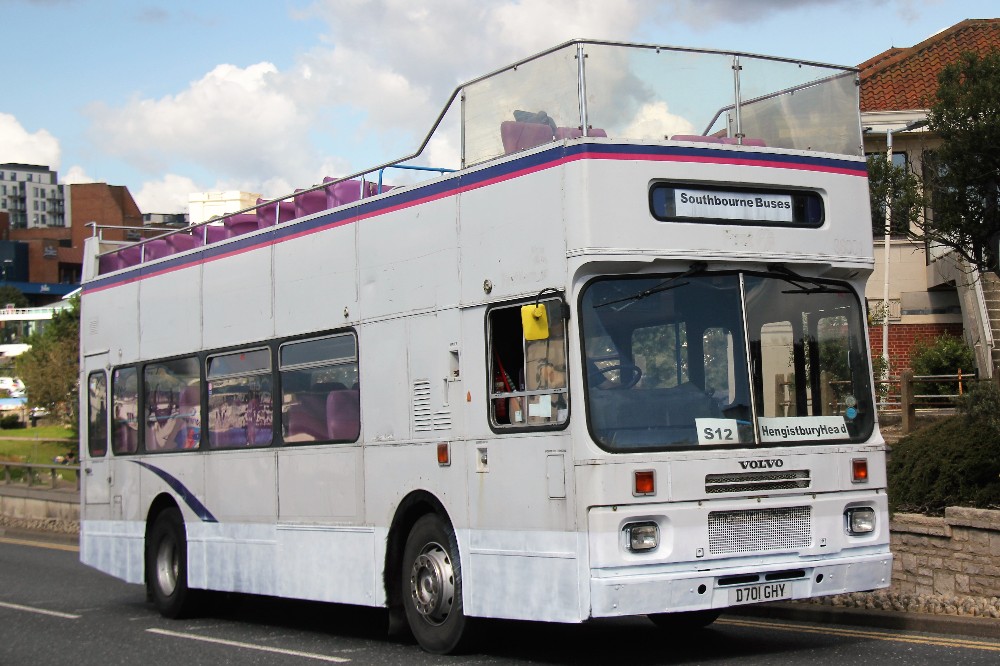
Smallest in terms of
vehicles, days of operation (and some would say quality) are Southbourne Buses,
a company associated in some way with Gardbus who have operated services in
nearby Ringwood. They operate route S12 linking Bournemouth Pier with
Hengistbury Head, running hourly at weekends only. The service is generally
operated by former Badgerline D701GHY, an Alexander bodied Citybus, seen leaving
the Pier with a good load of fresh air. Despite not being DDA compliant the bus
is able to be used on this registered service as the route runs for less than 20
days this year and is, therefore, exempt from the rules.
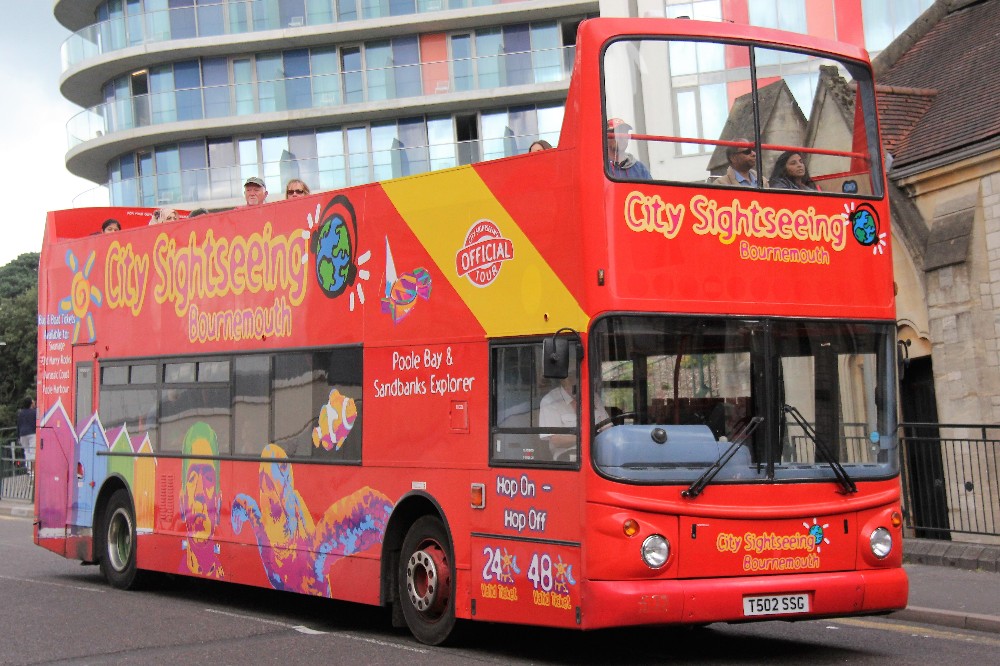
Discover Dorset have
for many years run the City Sightseeing franchise in the area using former
Lothian Olympians. For the 2017 season these have been replaced with a batch of
ex Lothian Tridents, doubtless to meet the requirement that double decker buses
on registered services are DDA compliant. T502SSG illustrates the type as it
arrives at Bournemouth Square, passing a former church now converted into a bar
/ nightclub.
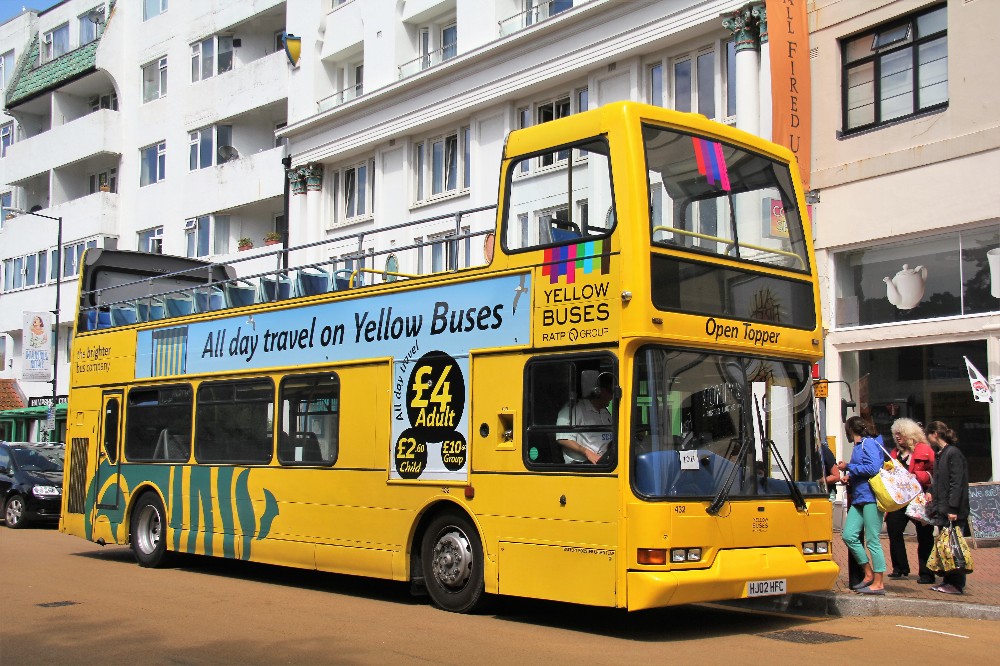
After a decade long
break Yellow Buses have reintroduced open top services on two routes for the
school summer holidays. Route C1 operates hourly between Bournemouth Square and
Alum Chine, this being a short working of the hourly service which links Alum
Chine with the Castlepoint shopping centre. The vehicle habitually used is
HJ02HFC, one of a batch of convertible open toppers delivered new to Bournemouth
Transport, seen here at the Square. This route operates from 22 July until 2
September.
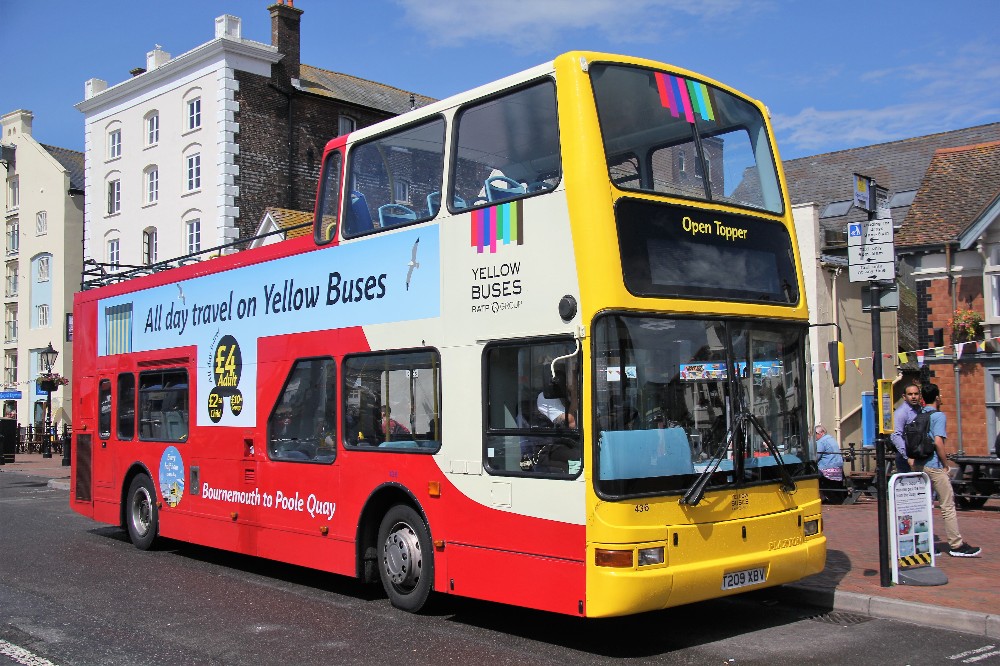
The second route is
R2, linking the Square with Poole Quay with three vehicles required to maintain
a 30 minute frequency. For this Yellow Buses have obtained four Plaxton
President bodied DAF DB250LFs from fellow RATP company The Original Tour. These
started life with Arriva London as their DLP class. The front of each has been
vinyled in yellow, leaving the sides in London sightseeing livery adorned with
appropriate route branding. Former London DLP9 waits at Poole Quay before
returning to Bournemouth. The route runs from 22 July until Wednesday 30
August.
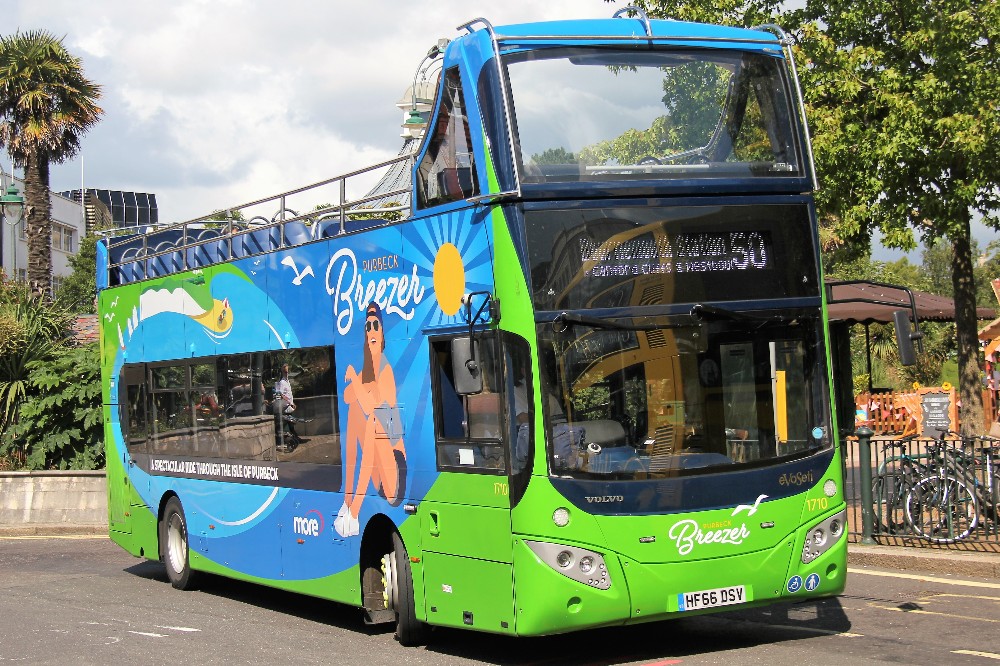
Go South Coast run a
network of Purbeck Breezers linking Bournemouth, Poole, Sandbanks and Swanage
throughout the year. Reflecting the network's success are the new vehicles used
on many of the services. Some of the vehicles are fully open top, as
illustrated by MCV bodied Volvo 1710 at Bournemouth Square. Some of these are
convertible, with a stack of roofs visible at Poole depot!
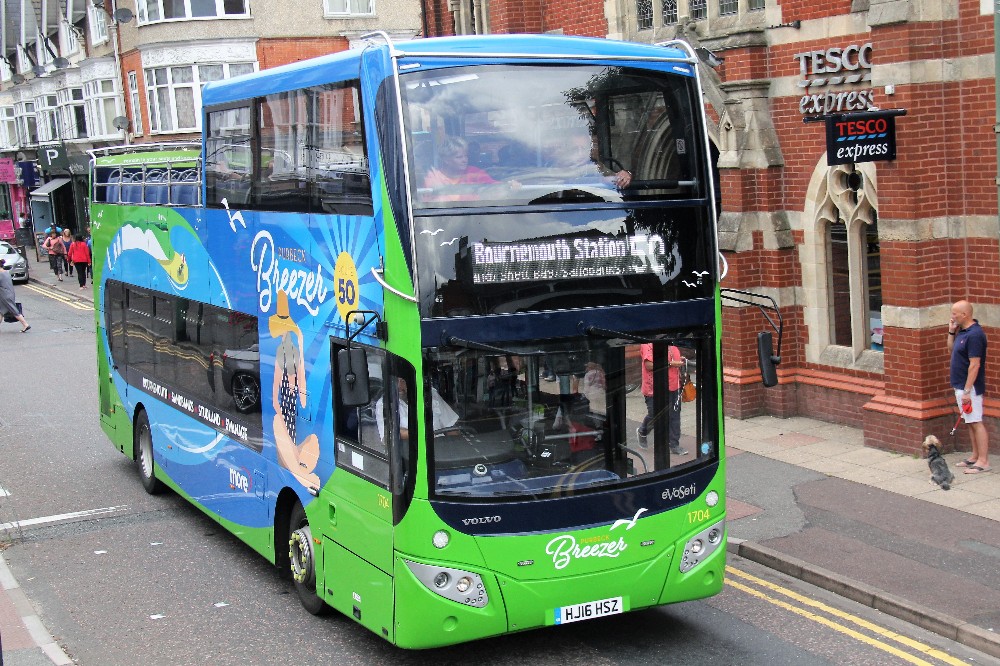
Other vehicles in
the fleet are part open top, such as another MCV Volvo seen here passing through
Westbourne. The Tesco to the left of the bus is another former church now in
commercial use.
Marcus writes
"I was
delighted to see former Stagecoach West Volvo B10M’s 20687 and 20685 at this
rally. They used to operate out of Swindon on the 51 route to Cheltenham and the
66 route to Oxford. This was the first time that I had seen them at a rally and
they both looked splendid. The owner told me that when new 20687 was the so
called ‘spare bus’! Can you imagine that happening these days – I think not!
Consequently apparently 20687 had low mileage when compared to its brothers.
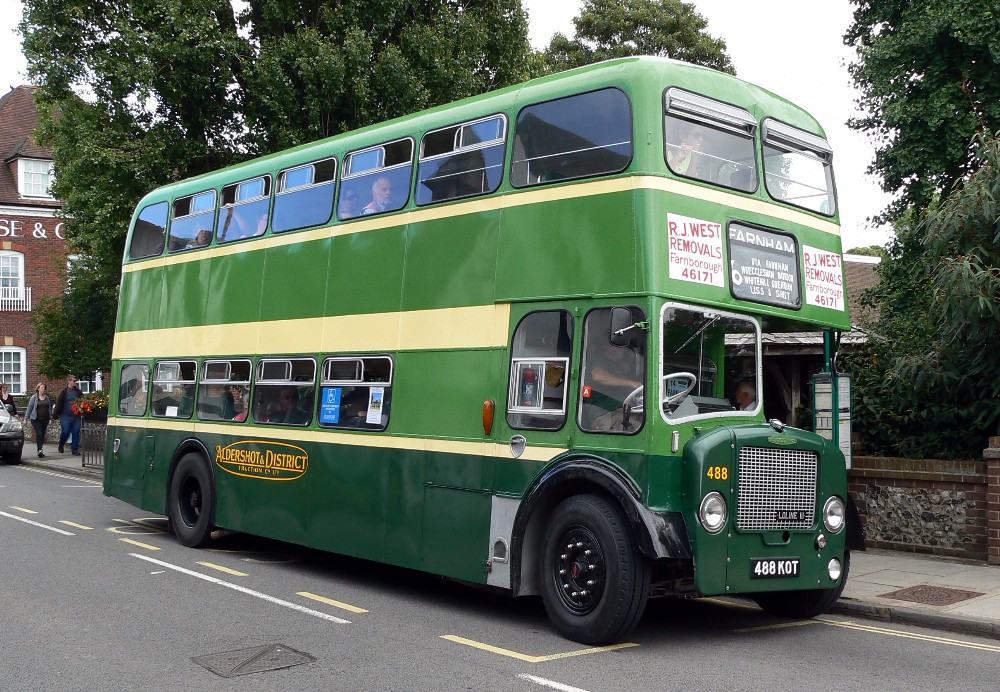
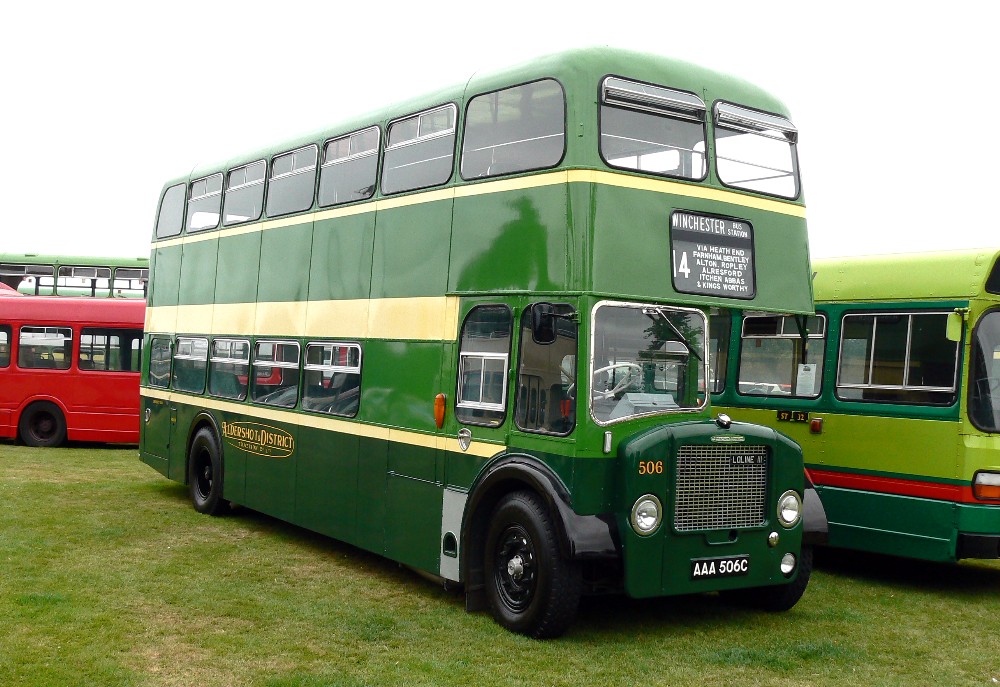
Alton Event on July 16th shows Aldershot and
districts 488 and similar 506 at the event.
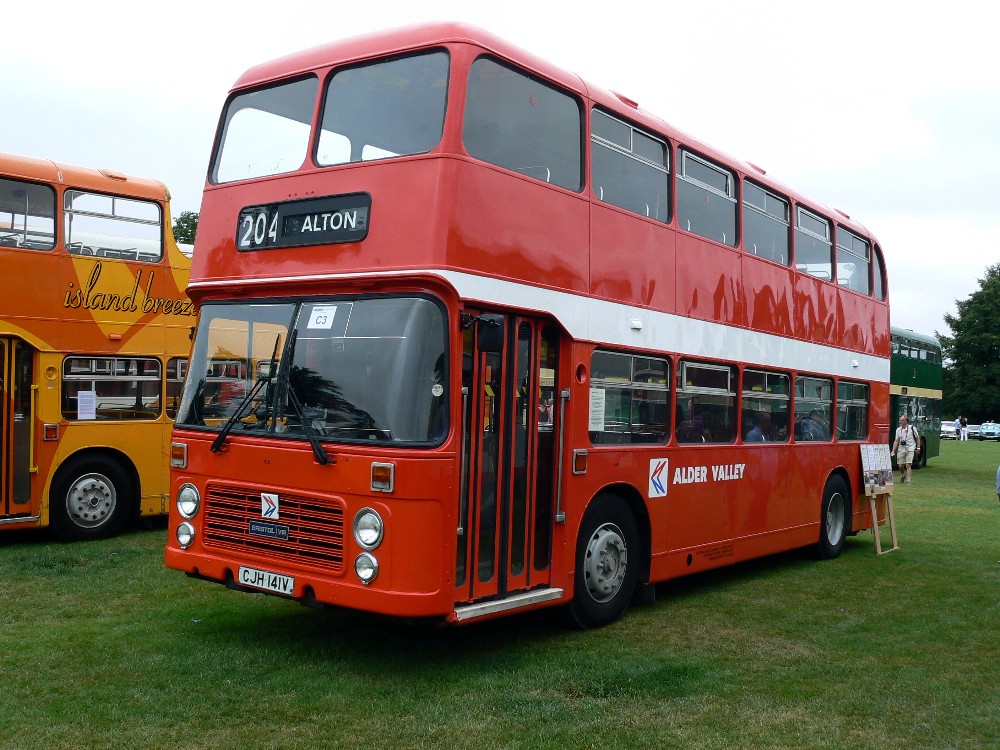
Alder Valley's CJH141V resplendent in a fresh coat of
paint and livery for the company under National Bus Company ownership.
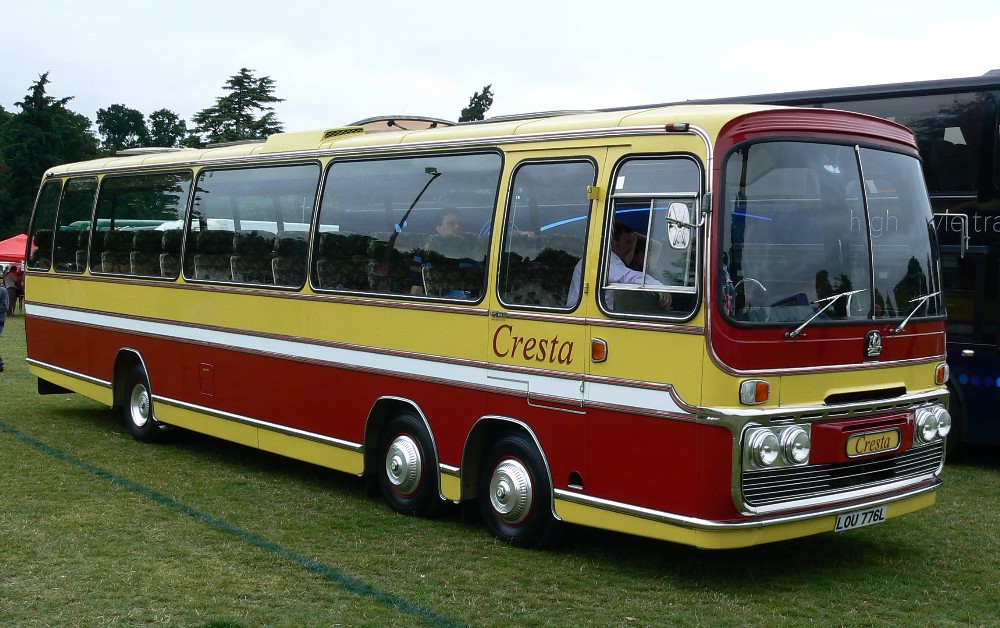
Cresta Coaches Bedford Val LOU776L with immaculate 52
seat Plaxton Panorama bodywork.
I remember driving one of the very first Bedford VALs
back in April 1963 brand new on a Saturday evening mystery drive. Oh happy
days!!
The Jackson's one was one of the first dozen in
service and I remember others for Barton, Excelsior, Wallace Arnold and a very
smart one for World Wide, 7999MD. Ed.
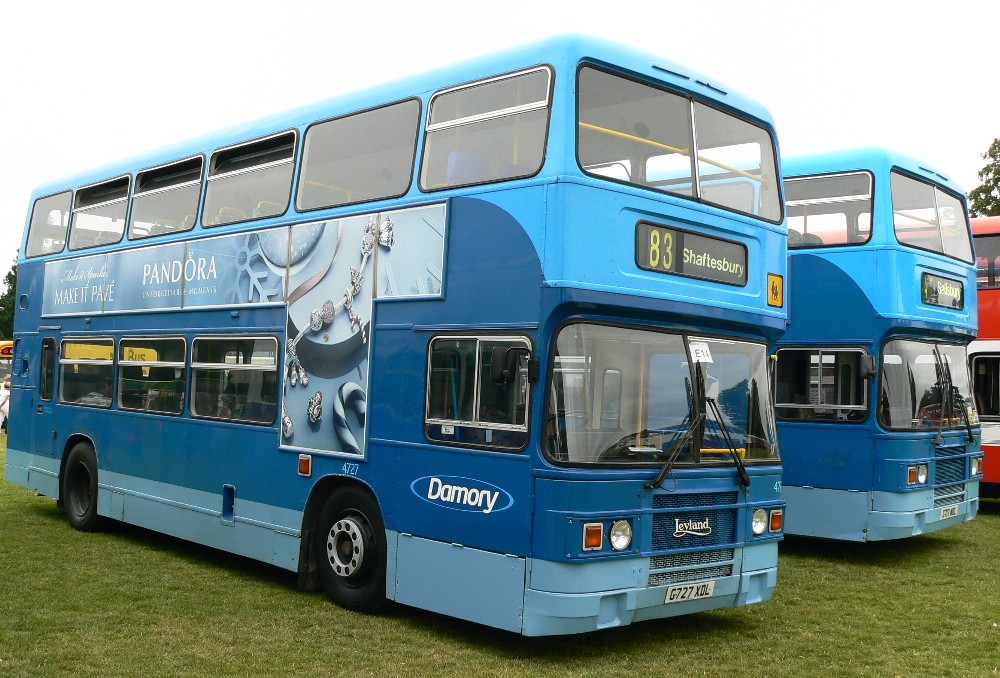
Go-Ahead Damory 4727 - G727XDL, new to Southern
Vectis IoW in March 1990 at their 727, and an all Leyland Olympian
with full semi coach seating, one notices that the
upper deck now has bus seats!! This bus was once registered TIL6727.
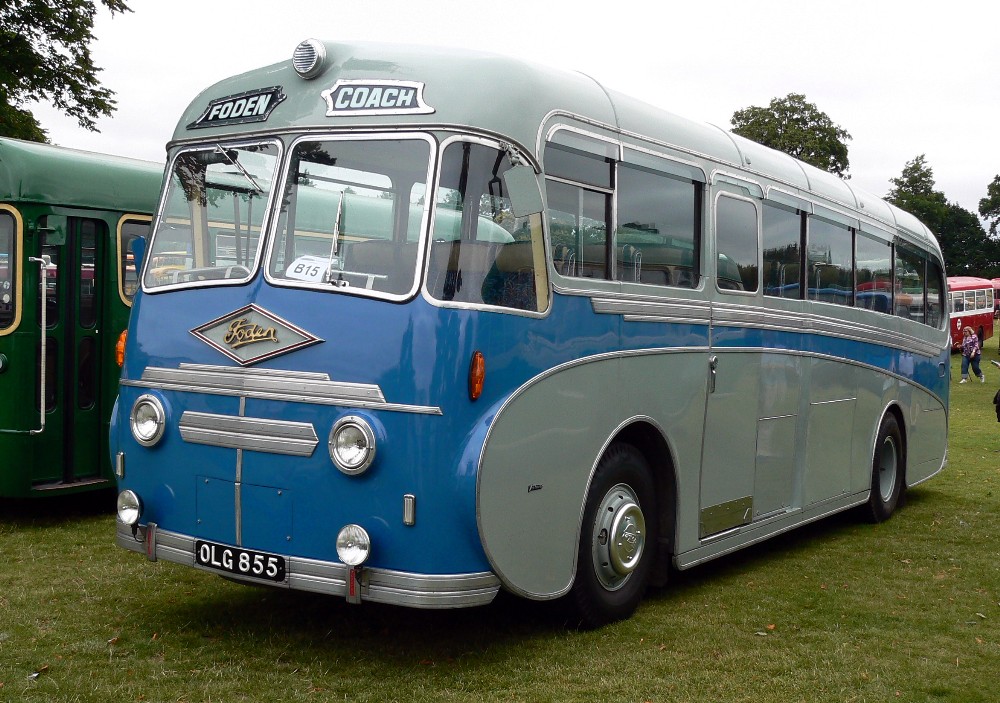
A 1951 Plaxton Venturer bodied Foden PVRF6, OLG855,
was to say the least somewhat unusual at the time.
This coach was owned by Foden and provided transport
for "The Foden Motor Works Band".
A further point of interest was that this coach was
rear engined, also less than ordinary at the time.
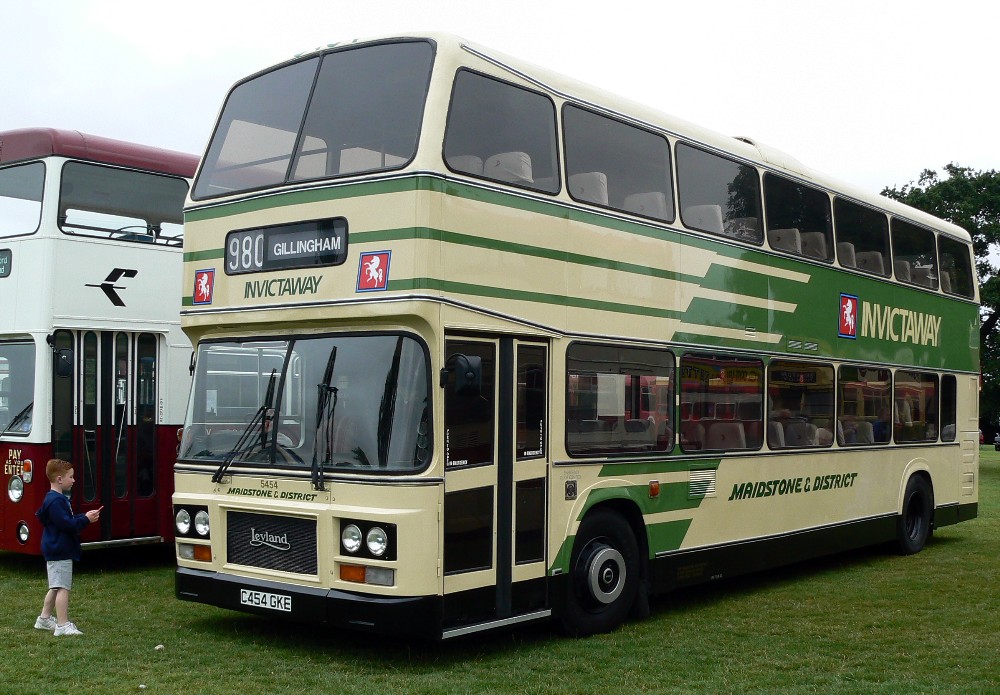
A lovely shot of a great coach, Maidstone and
District's C454GKE, new in May 1986 as fleet number 5454.
The 1980s saw a number of double deck coaches
produced for National Bus and these were the last models built by Leyland.
An interesting You Tube video of a 15 minute trip on this coach can be seen at :
https://www.youtube.com/watch?v=cgqGSdKQzvY
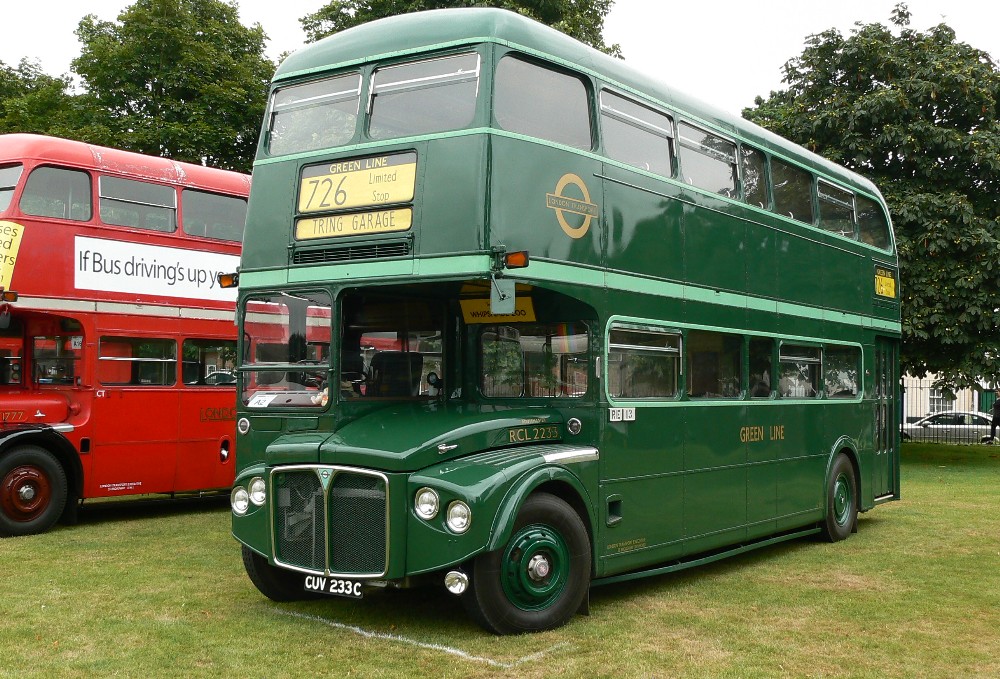
London Transport Green Line RCL2233 looking good and
with destination Tring Garage on the 726.
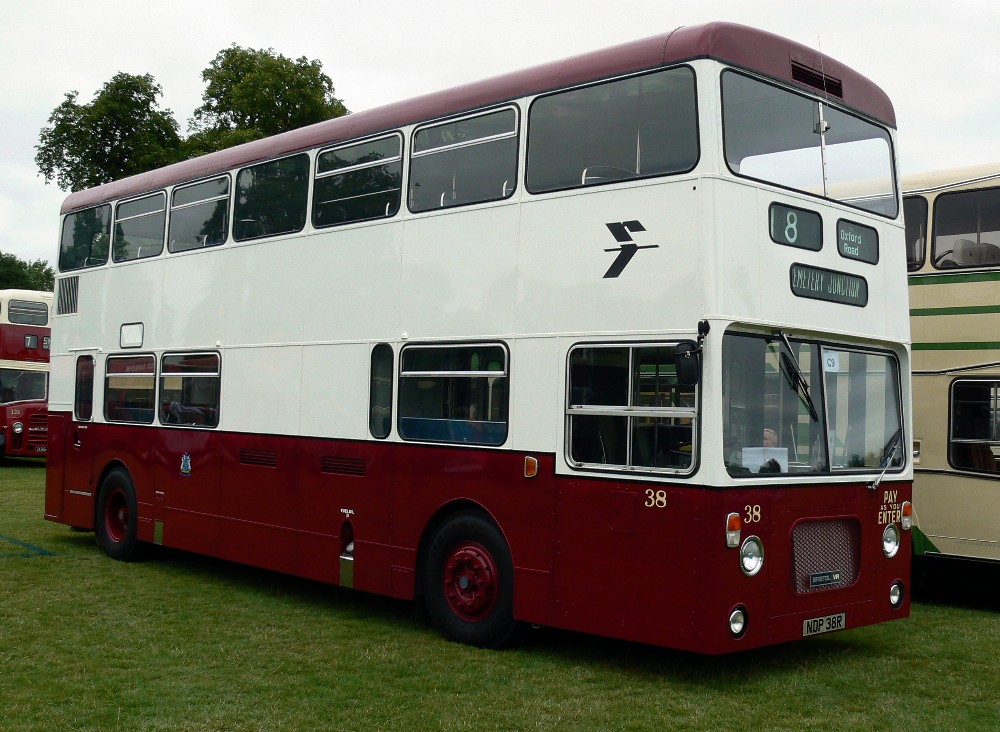
A
Bristol VR with Northern Counties bodywork new to Reading in November 1976 as
their 38.
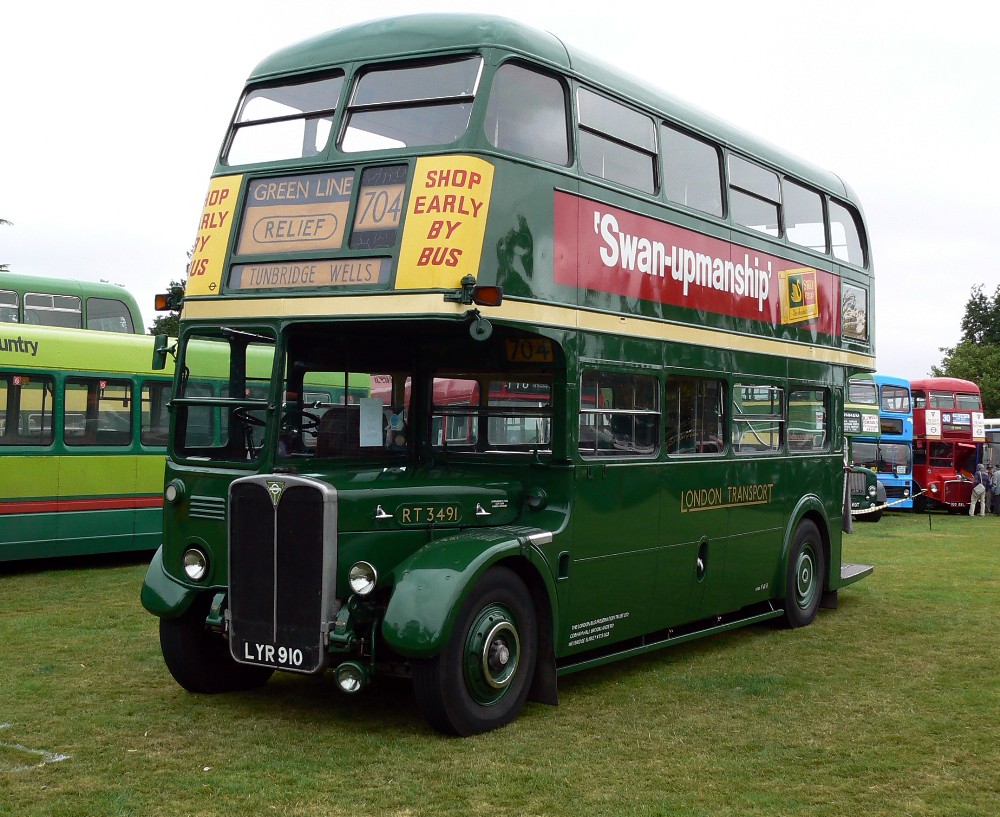
The classic RT in the shape of RT3491,
delivered to London Transport in March 1952 starting work at Nunhead garage
in Peckham.
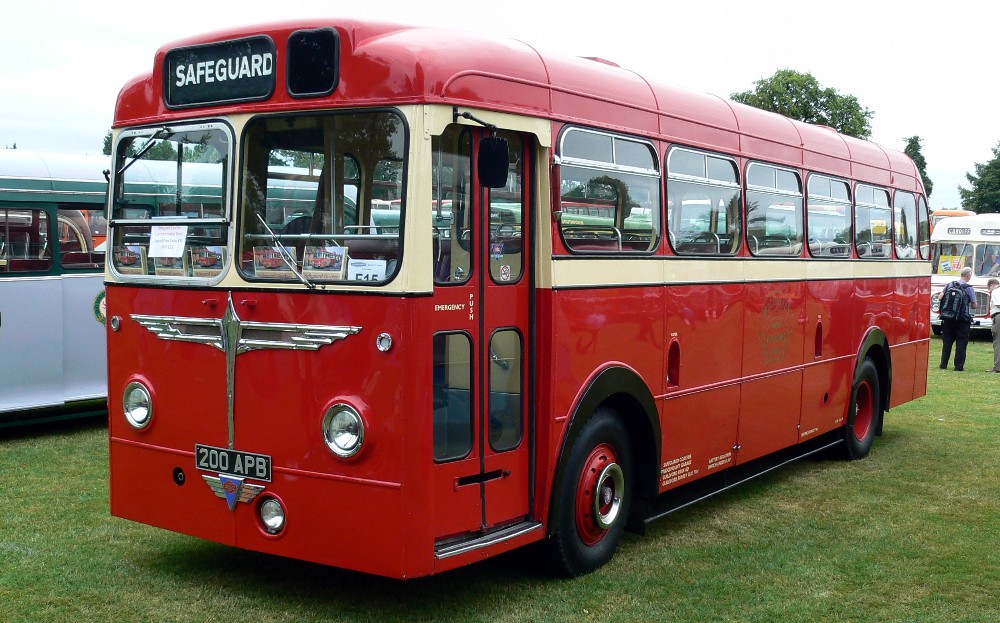
An AEC Reliance with Burlingham B44F bodywork, 200 APB was new to Safeguard of
Guildford in 1956 and then worked for Safeway Motor Services of South Petherton,
Somerset in 1962.
After Safeway work it passed into preservation with Rexquote Heritage near
Taunton Deane on their heritage bus services, retaining its Safeway livery.
I was doing some weekend driving for Rexquote in 2000 and well remember driving
this bus, so very similar to those used by North Western in Altrincham when I
was in my teens.
The bus was repurchased by the Newman family, proprietors of Safeguard Coaches,
in 2003.
It has been restored to original condition, and now operates in Safeway's
heritage vehicle fleet.
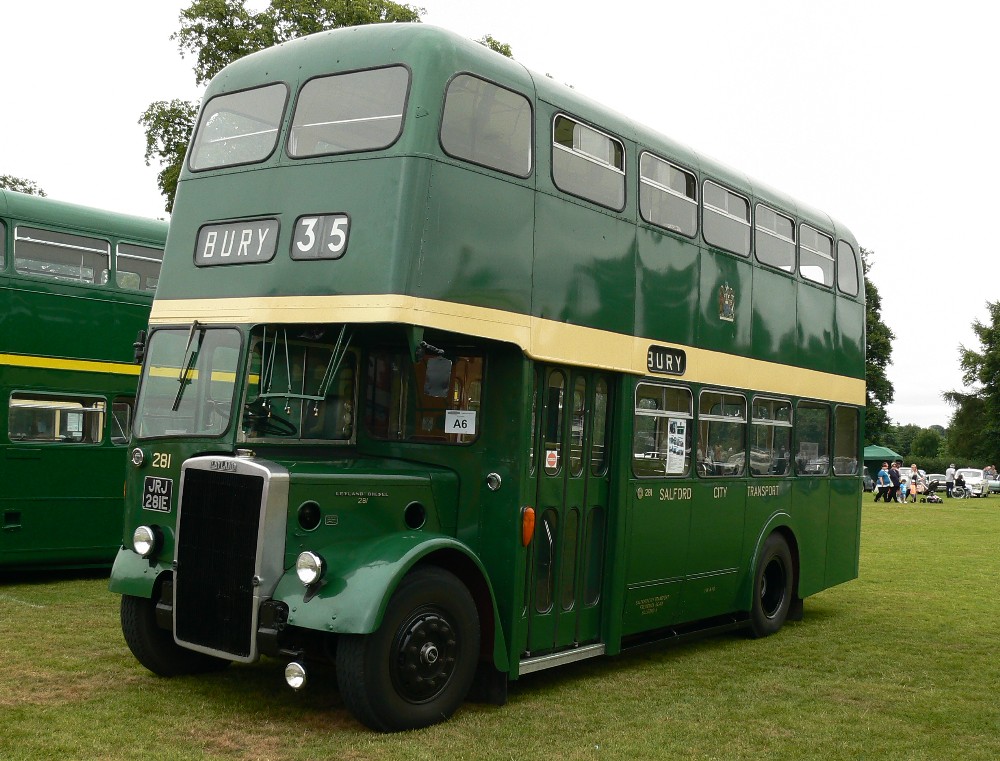
Closer to my old home, I remember these Leyland PD2's
when new in Salford. The front entrance was somewhat different although
initially
they were not used in one man configuration! The Weymann Orion body looked quite
nice in the green livery.
The batch were new in 1967 and the chassis type, a PD2/40 was nearing the end of
the line for this marque.
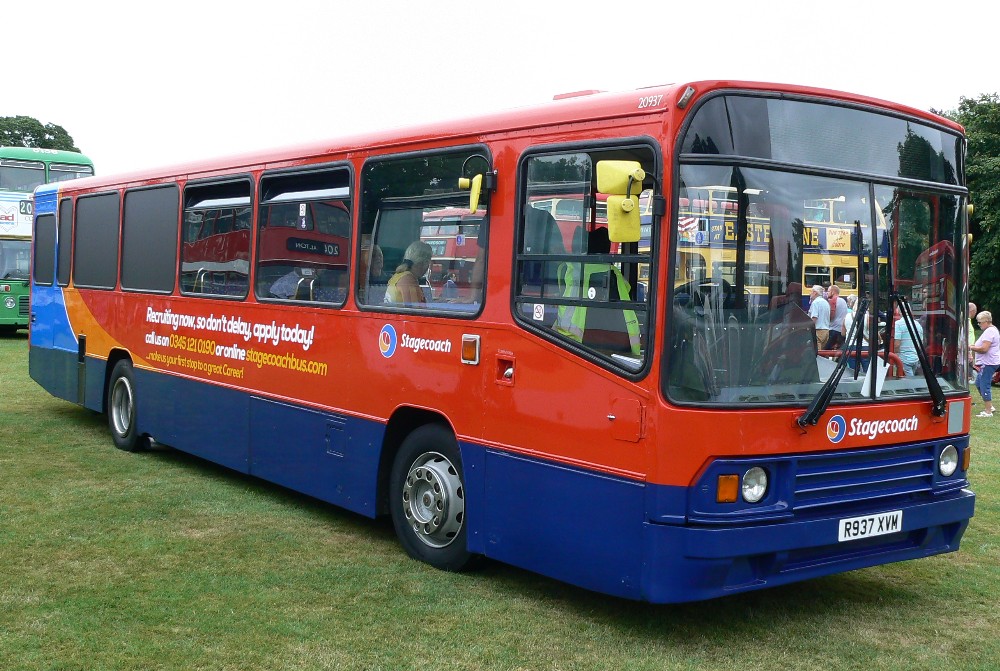
A close sister to two similar buses with Stagecoach
in Oxford, also used on training duties, this bus is based at Winchester.
These Volvo B10M/Alexander bodied PS type buses were new to SC Manchester in 1997 with
20937 arriving in the October of that year.
I always found the Volvo B10 are really excellent vehicle to drive, responsive
with light steering and good accleration.
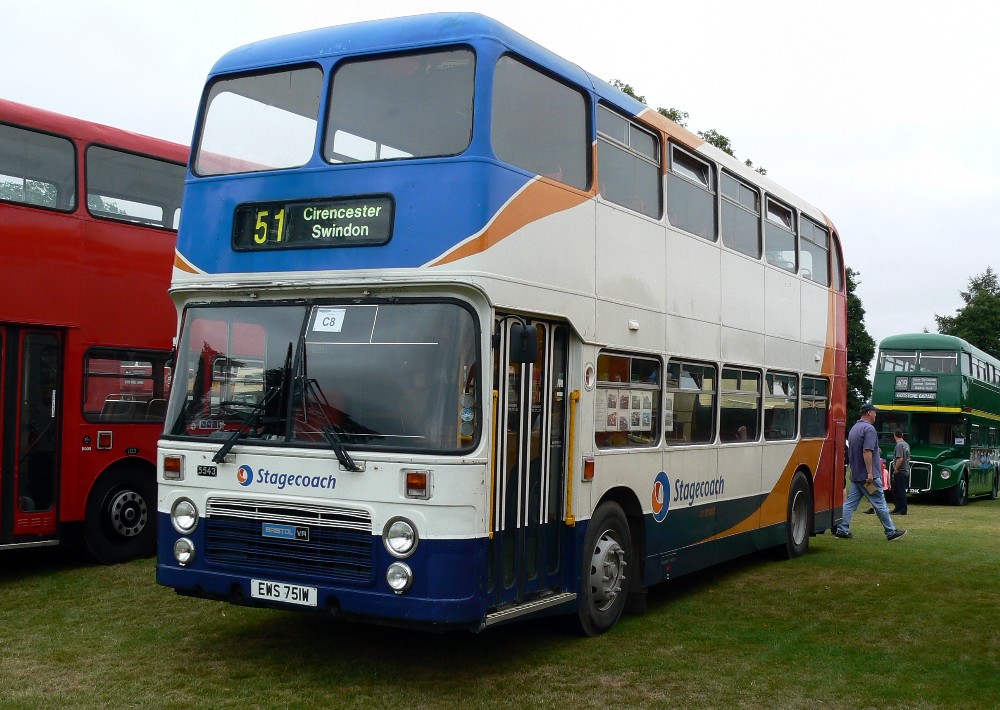
A former Bristol Omnibus Bristol VRT (fleet number 5543; registration
EWS751W)
restored to its later Stagecoach livery carried when operating for SC Hampshire.
The VR has to be one of the best buses ever with a reliable and hard working
Gardener engine and excellent bodywork.
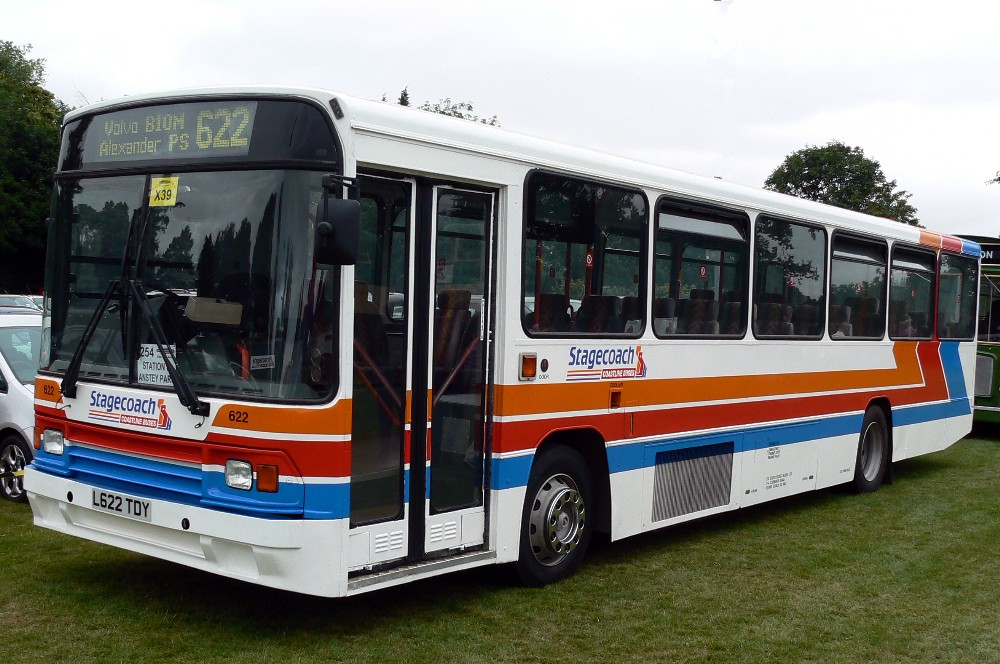
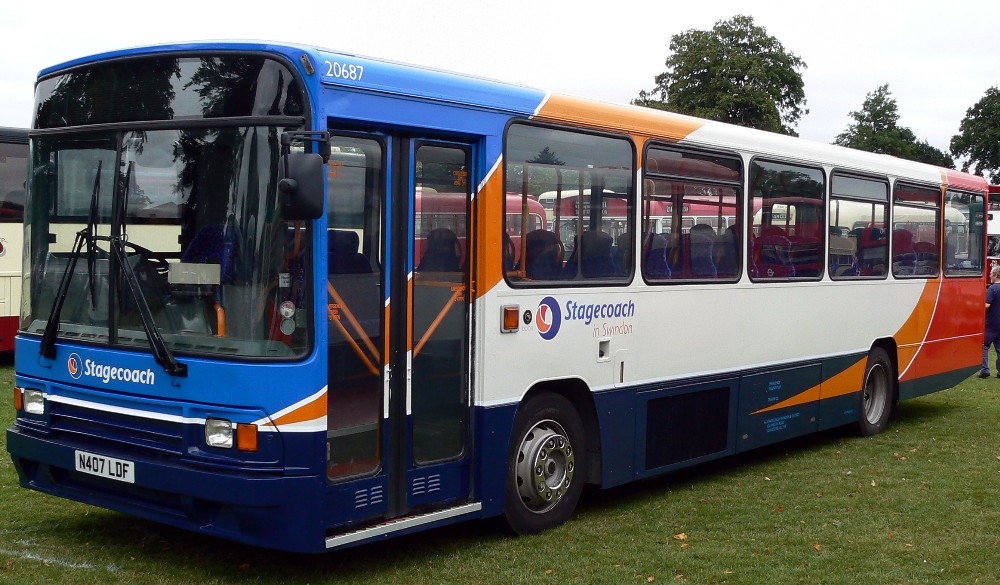
Two more PS's showing two livery types, original and
latest, the first from Kent and the second from Cheltenham & Gloucestershire.
It was very usual to see 20687 on the 66 into Oxford!
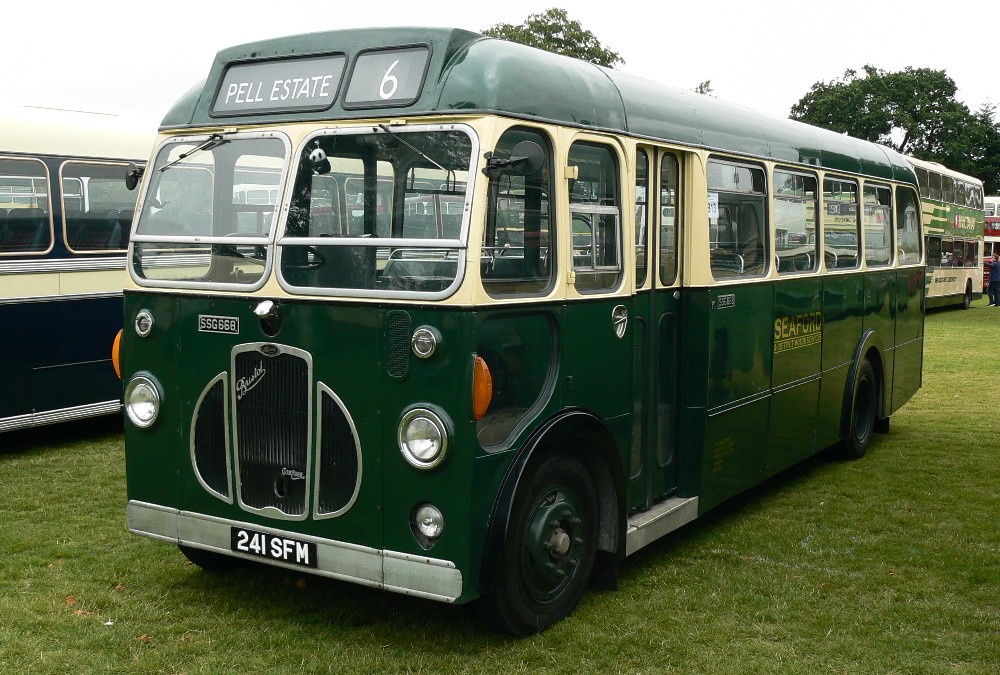
January 1961 saw 241SFM enter service with Crosville Motor Services Limited, Chester
as their SSG668 running with them until April 1975.
It was sold and ended up in a scrapyard being found in April 1982 by Roland
Williams and with a friend and his father restored this fine vehicle.
Sadly Bob, "The Bus Doctor" is no longer with us but this vehicle now resides
with Seaford & District Heritage Fleet.
These were rather noisy little buses but served Crosville for many years, being
ideally suited to narrow Welsh roads and lightly used services.

Strathtay 438, D278FAS, is a Leyland Tiger with
Alexander TE bodywork new in June 1987 has been fully restored to its original
livery.
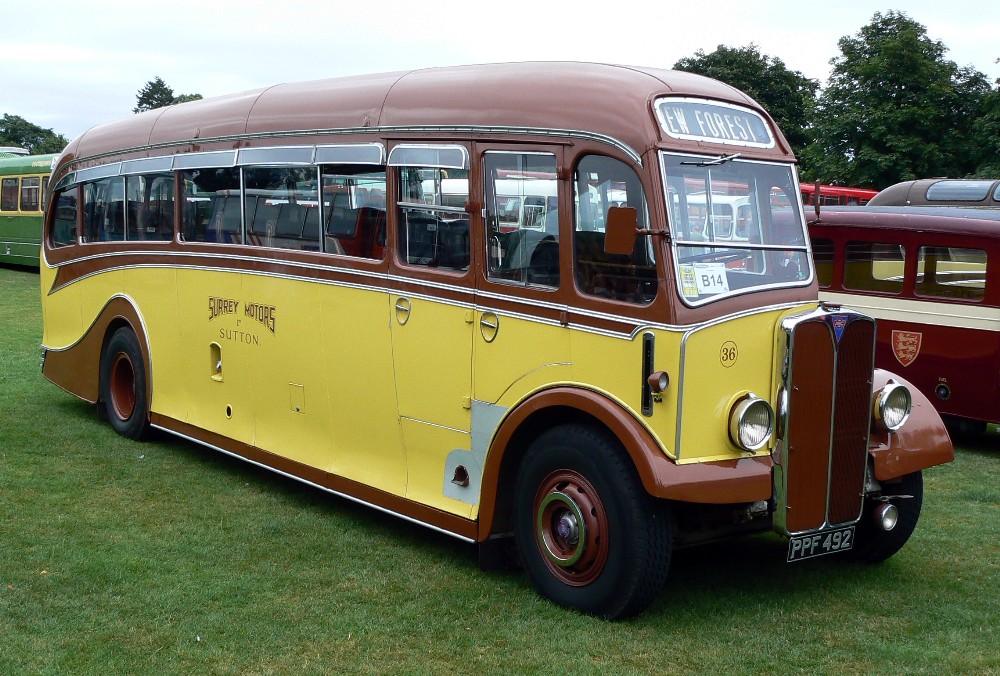
A classic of the 1940-50 period, PPF492 is an AEC
Regal III with Harrington C33F bodywork. New to Surrey motors it is restored in
their livery.
This coach is one of those produced lacking the
dorsal fin so reminiscent of this body builder.
The coaches of that period were by many producers and I always felt the
Harrington examples were one of the most pleasing.
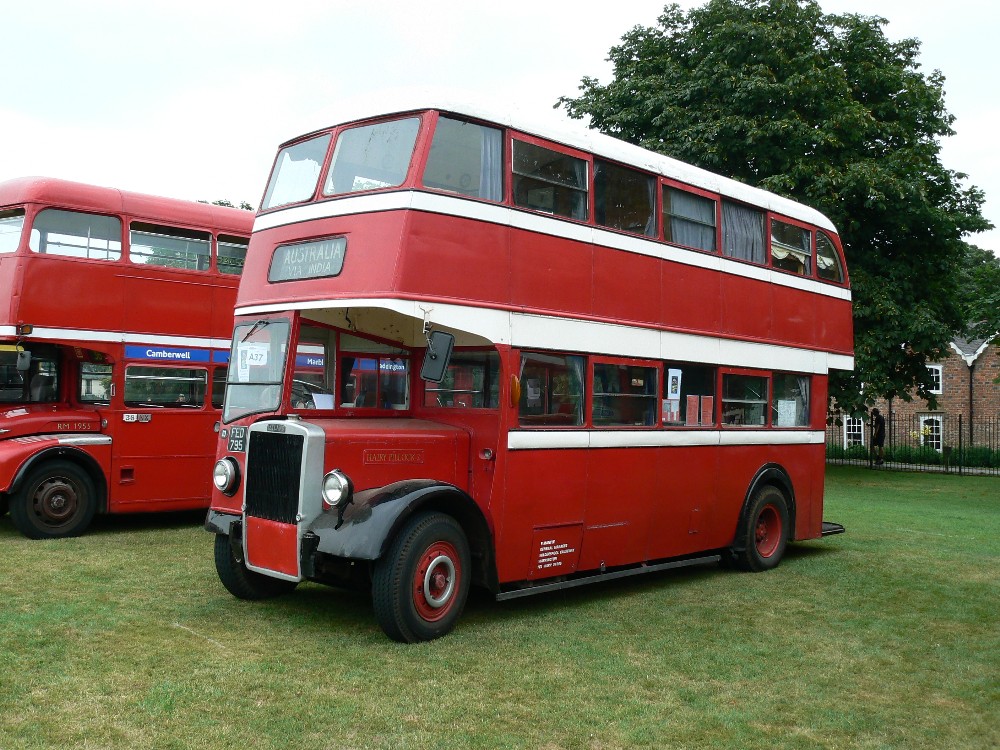
FED 795 is
a 1949 Leyland Titan PD2/1 with Leyland high bridge bodywork ex Warrington Corporation's
nr. 10.
Now converted to a mobile home it retains seating for 15.
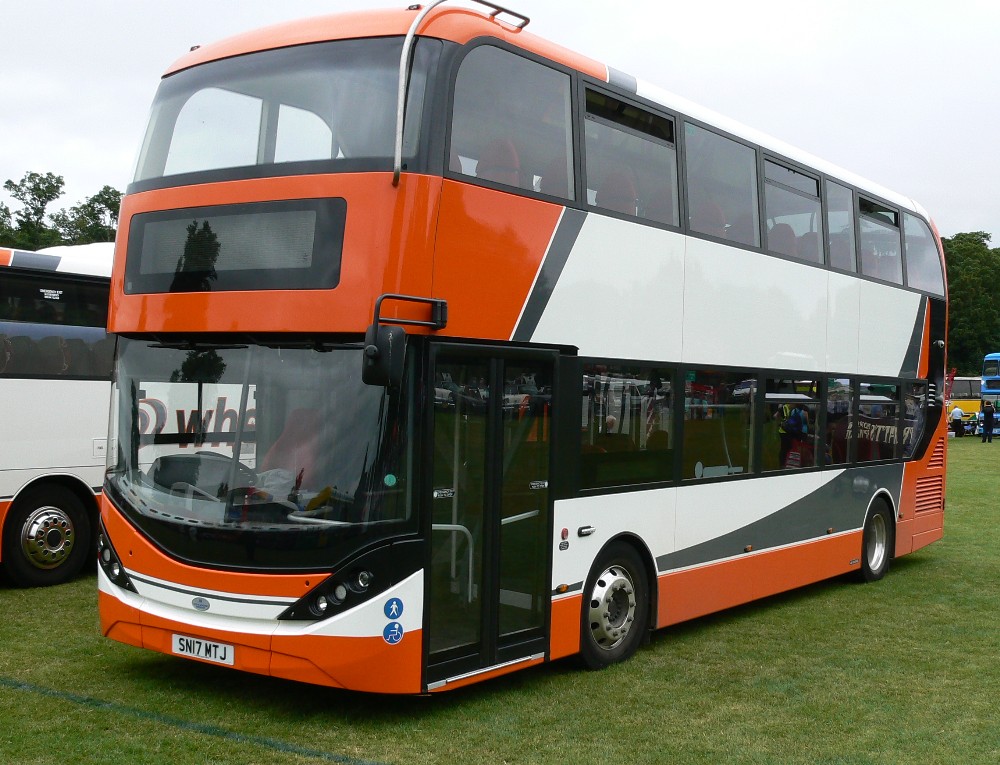
Wheelers Connect brand new Enviro 400 City SN17MTJ
still unbranded on the day it was photographed.
With many thanks to Marcus Lapthorn for these excellent pictures which I hope you will all enjoy?
Gavin Francis visits Kingston
Gavin tells me he spent a pleasant few hours in Kingston on July 27th and returned with some rather interesting pictures.
Route 406 started in 1920 as route S6 between Kingston and Redhill,
and was renumbered as 406 in 1924. In
1957, the second prototype AEC
Routemaster ran on route 406 between Redhill and Kingston. It
was later
shortened to operate just between Kingston and Epsom.
Following the Privatisation
of London bus services the route became part of London Country
South West. In 1991,the route was diverted at Surbiton Hill Road via Surbiton
Station to Kingston.
On 27 January 2001 it became a tendered Transport
for London route with London
United's Hounslow
garage taking over operation.[4] A
proposal to extend the 406 to Teddington in
2001 was not received favouably by
residents and did not proceed.
Upon being re-tendered, on 30 June 2007 it passed to Quality
Line with new Alexander
Dennis Enviro400s. It was the first double deck contract won by Quality
Line. The
route was diverted via Surbiton Hill Road instead
of Surbiton
station at the same time. Thus the route was restored to its
original routing.
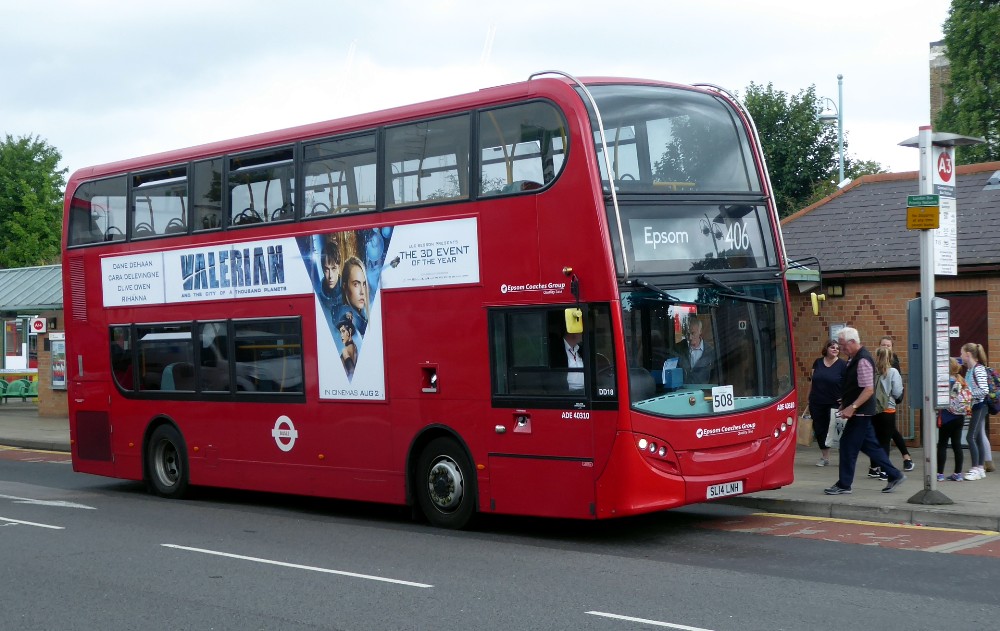
Readers may be aware that
RATP Dev UK has absorbed its Epsom Coaches business under the Quality Line
banner
which was previously used for Epsom’s bus division and from 25 June, the
operation will be under direct management by RATP Dev London.
A number of buses have been transferred from London United and other RATP
companies into the Epsom fleet.
Above we see AD
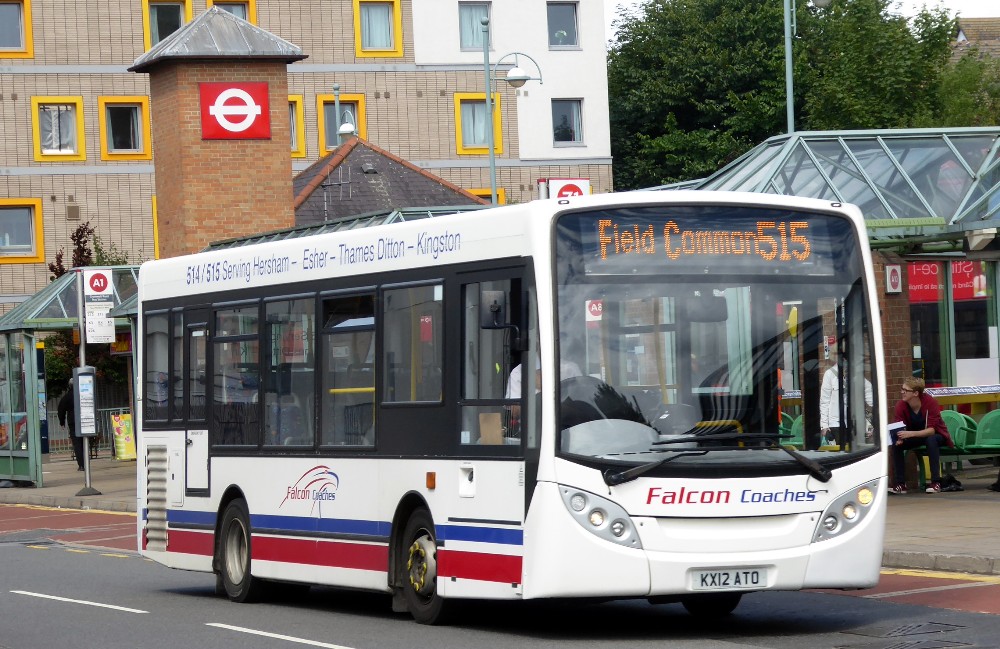
A smaller local operator,
established in 1933 is Falcon Coaches whose E200 KX12ATO is seen on the tendered
route 515 in KINGSTON.
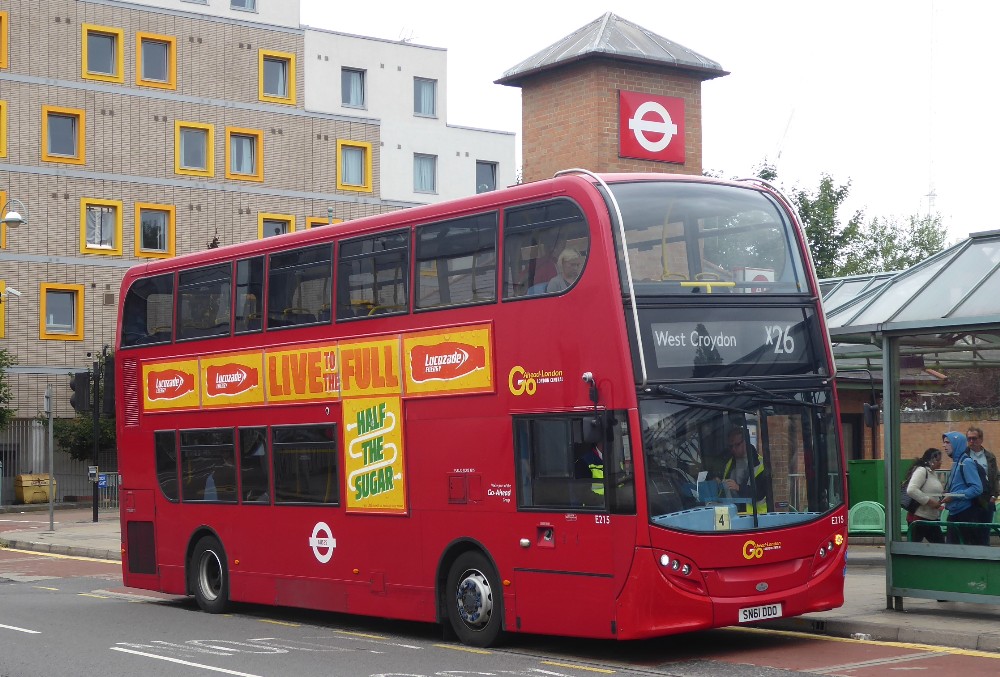
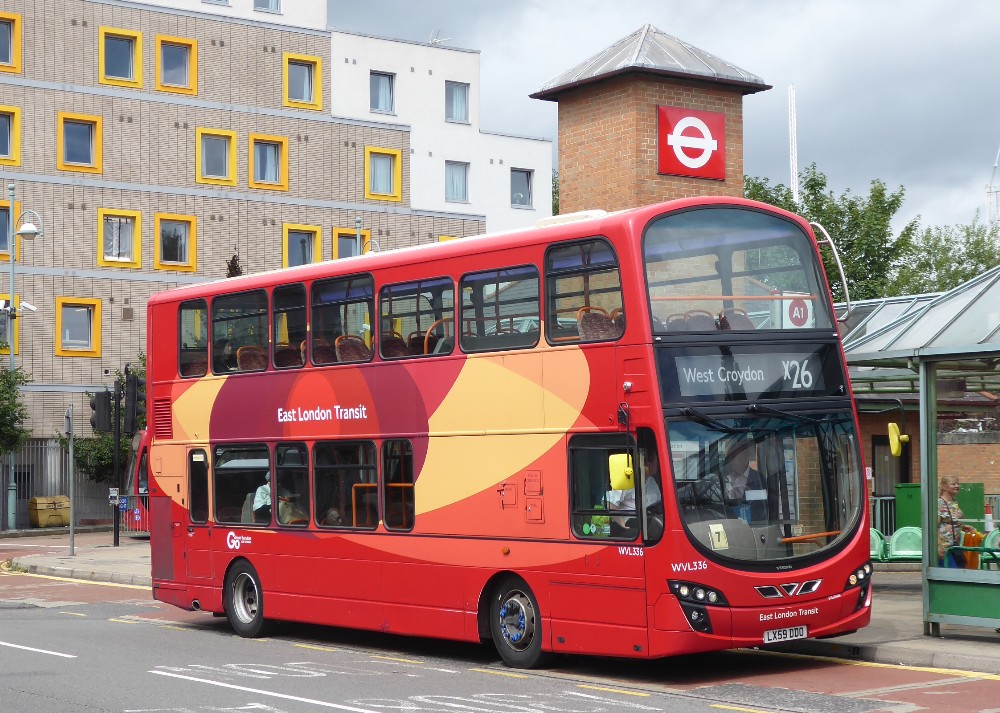
London's longest bus route! Heathrow to West Croydon. (23.75 miles)
It started in 1950 as Green Line 725.
Go Ahead London now operate the X26 through Kingston seen above with E215 and
WVL 336 some of which have been refurbished.
The one above is in East London livery, somewhat incongruous at Heathrow!!
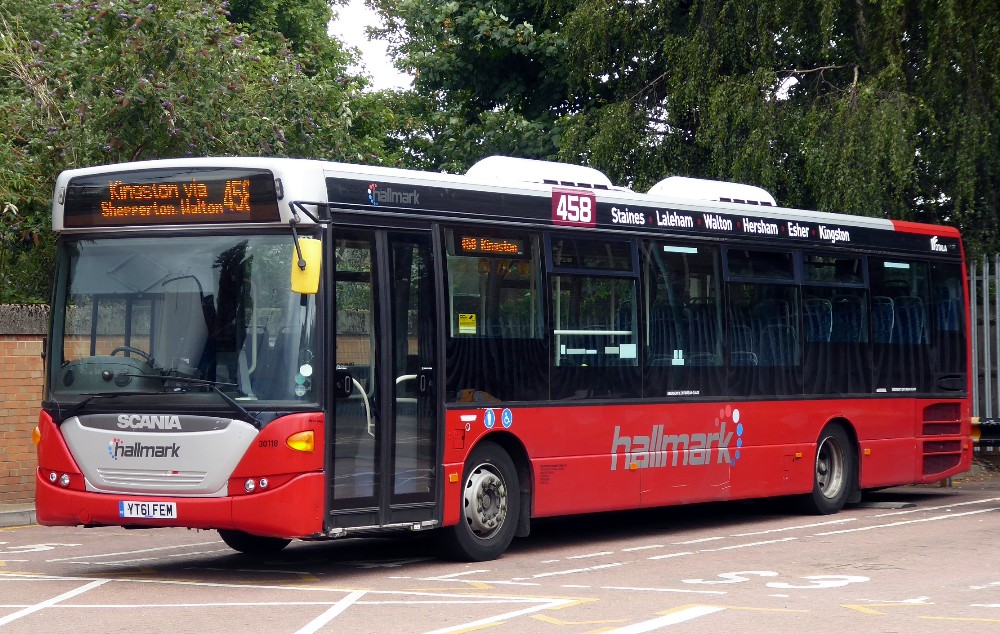
The 458 from Staines to Kingston is a non TfL route operated these days by
Hallmark with buses in a striking livery suitably branded.
The service runs every 30 minutes through the day. The bus above is laying over
in Kingston having arrived at 55 minutes to the hour and leaving at 20 minutes
past the hour.
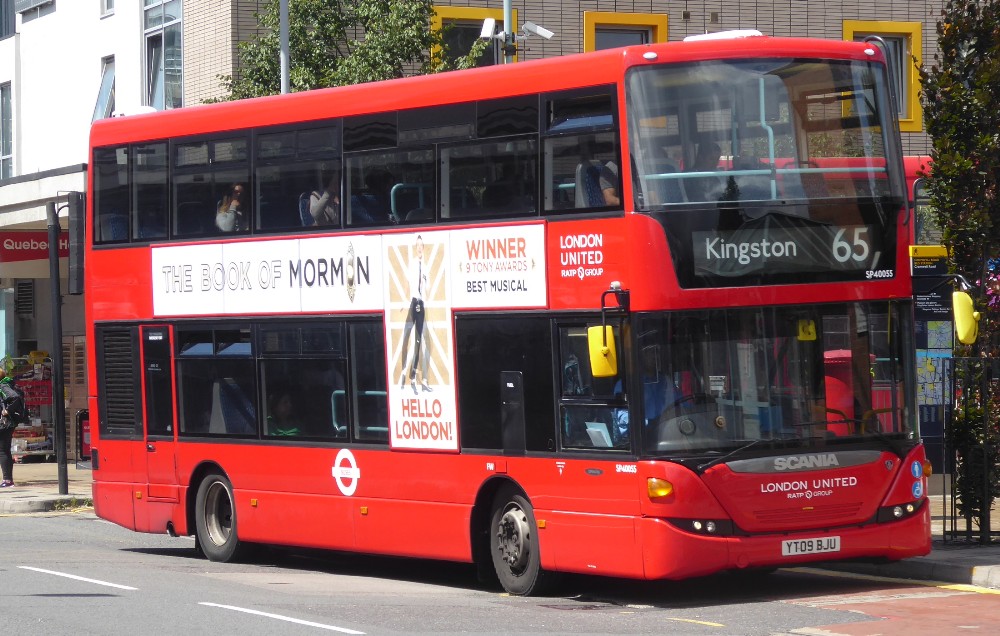
A London United route is that of the 65 with Scania Omnicity SP40055 seen in
Kingston. This was delivered as SP55 in 2009.
The route runs from Ealing Broadway to Chessington World of Adventure, again
quite along route.
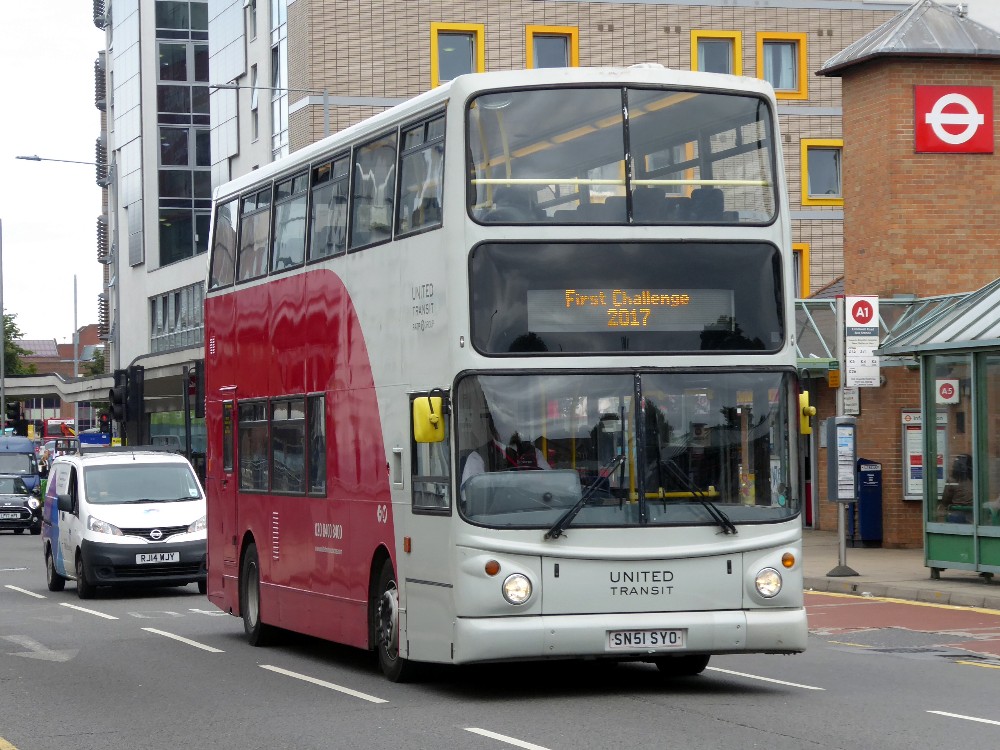
United Transit is a part of London United and runs the private hire business
which also includes United Motor Coaches.
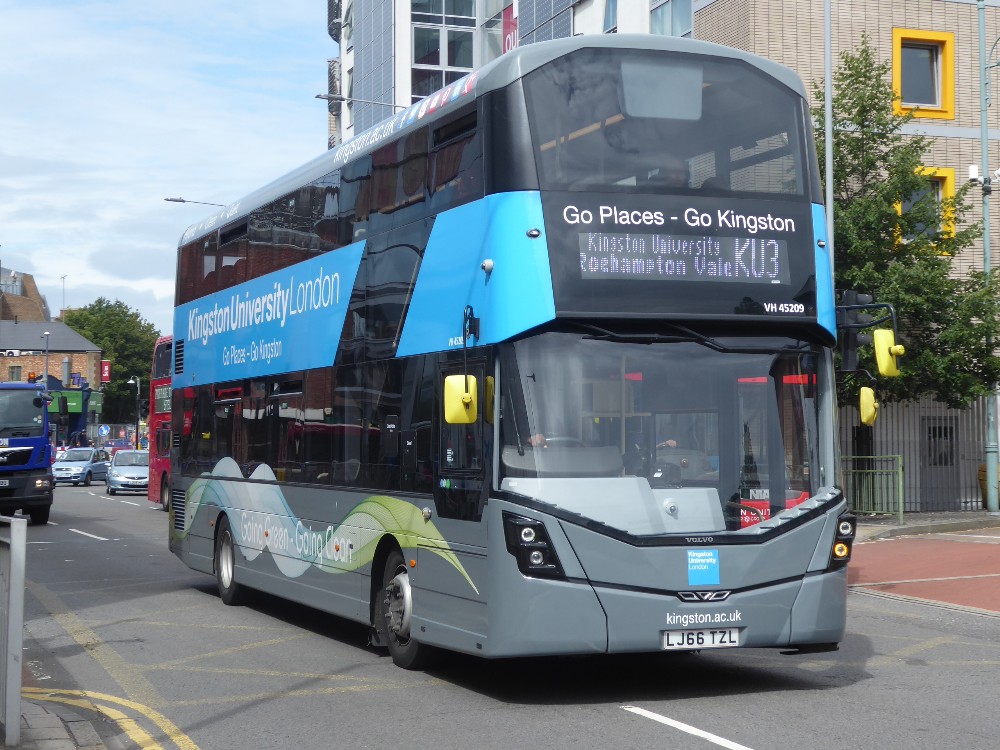
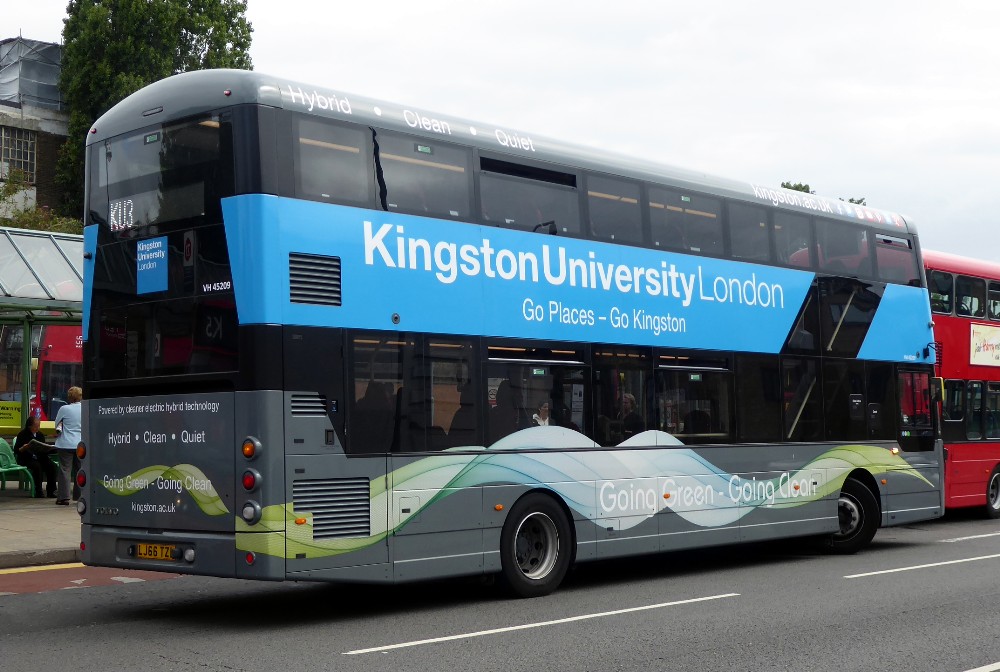
It also runs services for Kingston University and above we see VH45209 working
the KU3 in Kingston. It carries a striking livery for a "London bus"
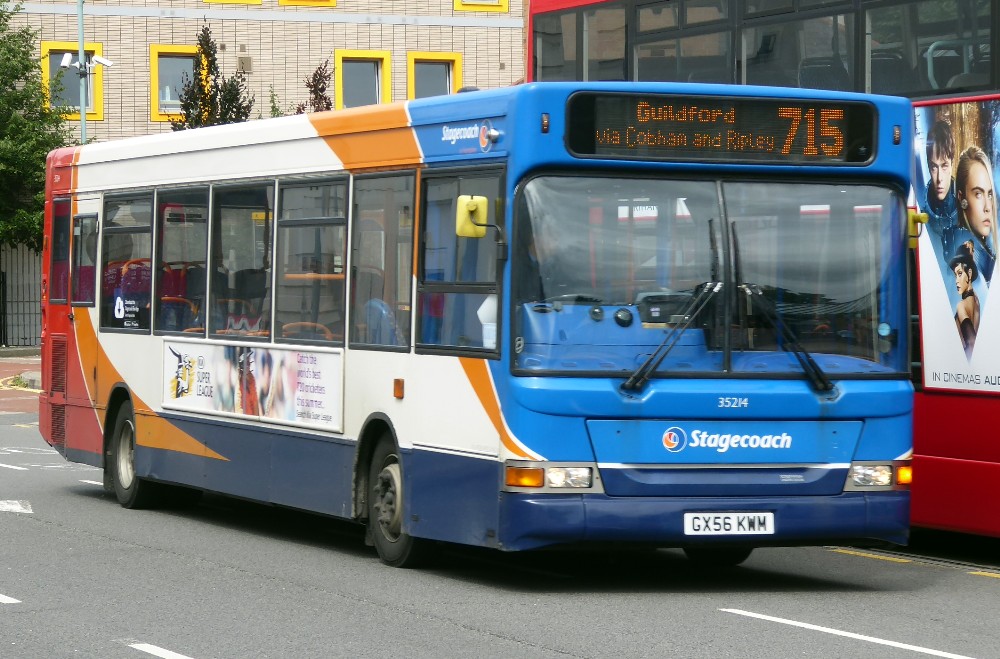
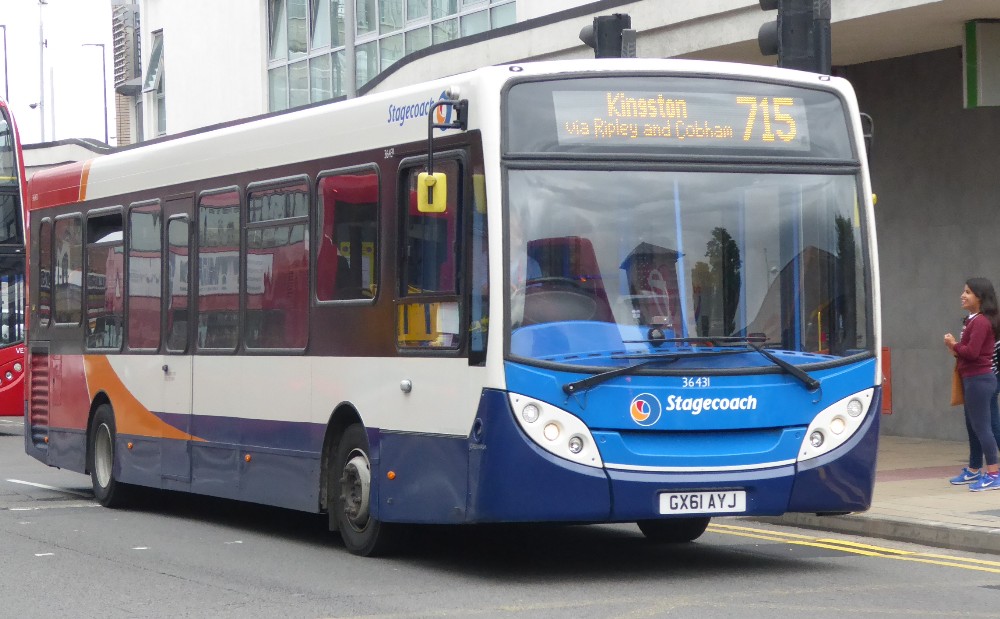
Above we see 35214 and 36431 on the 715 in Kingston
on July 27th.
Historically the 715 ran between Guildford and Hertford in the north via Victoria and before the second world war had been numbered M1. (nothing to do with the M1 motorway!!!)
For those wanting more information of a fascinating period in the UK's transport history the link below will give a brief but interesting view with pictures of old operations.
http://www.greenline.co.uk/history1/green-line-history--photo-gallery/
